
Acid sulphate soils (ASS) and sediments contain iron sulphides — most commonly pyrite — that formed naturally in waterlogged, low-oxygen conditions following the last major sea level rise approximately 10,000 years ago. In Australia, these soils are predominantly found in coastal lowlands at elevations below 5 metres above sea level.
Left undisturbed and waterlogged, these soils are harmless and are classified as Potential Acid Sulphate Soils (PASS). The problem arises when they're disturbed — through excavation, drainage, dewatering, or flood events — exposing the iron sulphides to oxygen. This triggers rapid oxidation, producing sulphuric acid that can drop soil and water pH to levels comparable to battery acid.
The critical distinction in ASS management is between soils that have the potential to become acidic (PASS) and soils where acidification has already occurred (AASS). Both require testing, but the management responses differ significantly.
Both PASS and AASS require laboratory characterisation to determine the appropriate management response. Field pH alone is insufficient for regulatory submission — full SPOCAS or SCr testing is required.
Contains iron sulphides but has not yet oxidised. Harmless if kept waterlogged. Management focus is on preventing exposure to oxygen — avoiding excavation, maintaining water table, or treating before disturbance.
Oxidation has already occurred. pH is severely depressed. Management requires neutralisation (liming), containment of acid drainage, and monitoring of receiving waters.
SPOCAS is the primary laboratory method for acid sulphate soil characterisation in Australia. It provides both the acid trail and sulphur trail of parameters needed for assessment under state ASS guidelines, enabling comparison to guideline values and determination of appropriate lime requirements.
Envirolab Services (Sydney) and MPL Laboratories (Perth) are both NATA accredited for the full SPOCAS suite.
Standard TAT: 5 working days for the full SPOCAS suite. Fast turnaround to 3 working days available — surcharges apply.
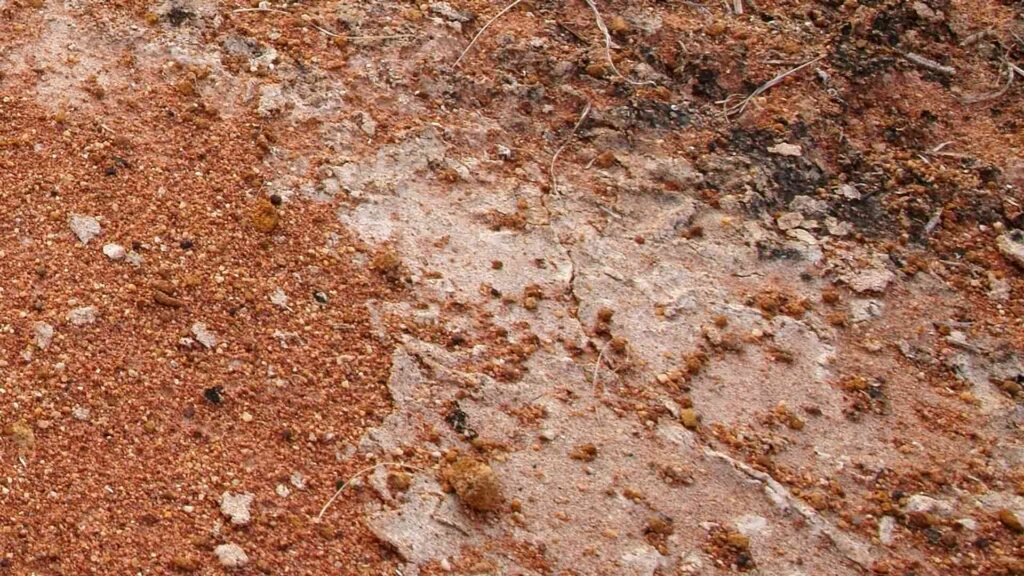
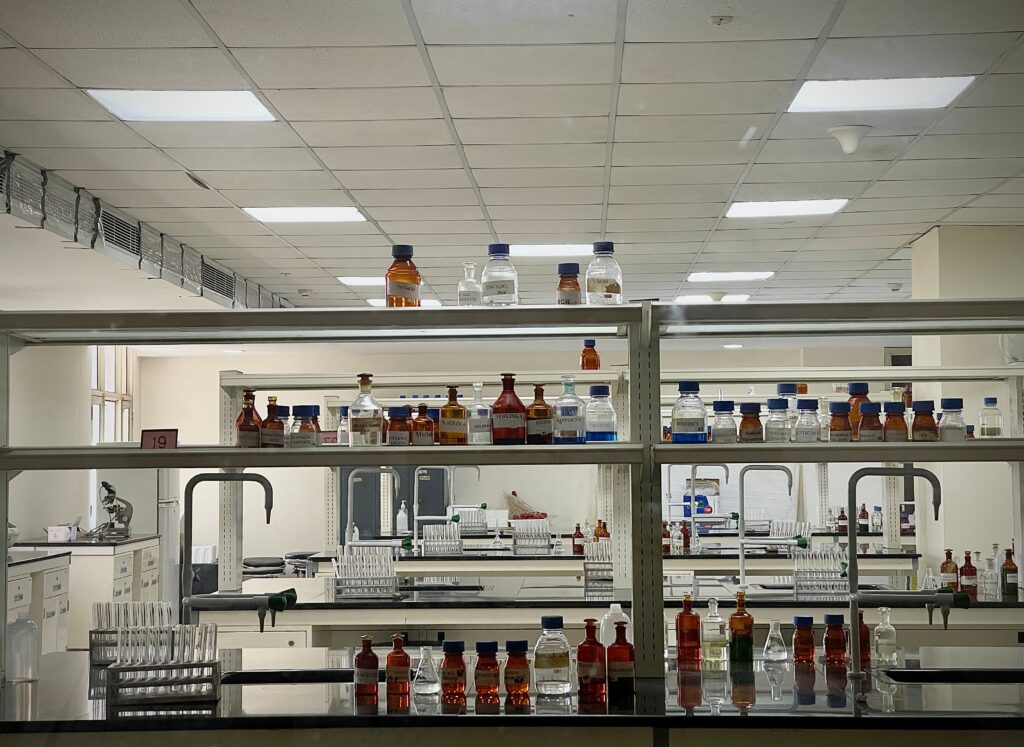
The Chromium Reducible Sulphur (SCr) method uses chromium reduction to selectively extract reduced inorganic sulphur species, most importantly pyrite. Unlike SPOCAS, which uses peroxide oxidation, SCr directly targets the sulphide fraction responsible for acid generation.
SCr is used alongside or as an alternative to SPOCAS depending on the nature of the site, the state jurisdiction's guidelines, and the specific characterisation questions being answered.
Which suite to use? The choice between SPOCAS and SCr depends on your state jurisdiction's guidelines and project requirements. Contact us and we can advise on the appropriate testing program for your site.
Field methods provide rapid screening results during site investigation before committing to a full laboratory program. They can be used to prioritise which samples warrant full SPOCAS or SCr analysis, and are commonly applied during initial site characterisation using the chip tray method.
Chip tray results are indicative only and do not replace laboratory SPOCAS or SCr testing for regulatory submissions. Results should be used to guide sampling strategy, not as standalone characterisation data.
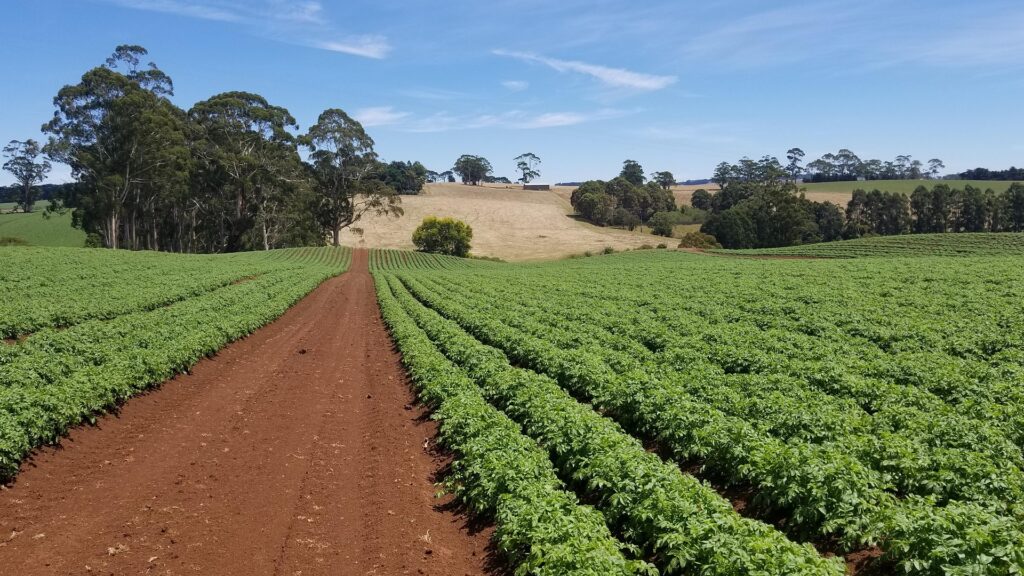
Acid mine drainage (AMD) occurs when sulphide-bearing rocks and waste materials from mining operations are exposed to air and water. The chemistry is similar to acid sulphate soils but in a mining context — and the scale of impact can be significant, affecting receiving waterways, groundwater, and surrounding land for decades.
MPL Laboratories (Perth) is NATA accredited for Carbon and Sulphur analyses in sediments, sludges, soils and ores using the LECO solid analyser — providing in-house Total Sulphur determination as part of AMD workflows.
Where acid sulphate soils are present, monitoring of surrounding water bodies is essential to assess the actual impact of acid drainage on receiving environments. Acidified water leaches metals from surrounding soil and rock, resulting in elevated concentrations of iron, aluminium, and other heavy metals in waterways.
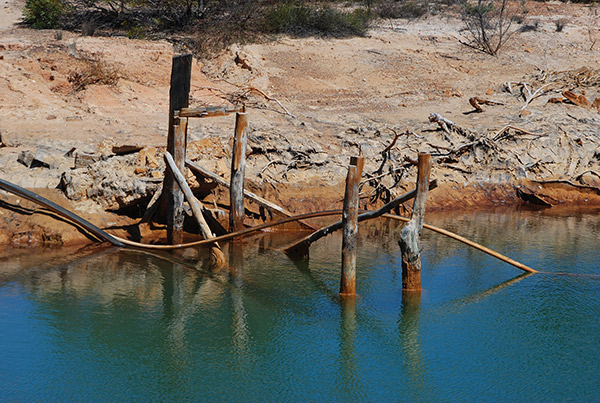
Correct sampling and preservation is critical for ASS analysis — exposure to air during and after collection can oxidise sulphides and alter results, particularly for PASS samples where sulphides have not yet oxidised in situ.
Holding time: Standard delivery within 24 hours is strongly preferred. Frozen or dried samples are accepted where timely delivery is not possible — contact us to confirm the appropriate preservation approach for your project before sampling commences.
Minimum 200g per sample collected in zip-lock bags. Seal bags tightly to minimise air contact immediately after collection.
Remove large shells, wood, charcoal and stones in the field. Do not remove biological material such as plant roots.
Keep samples cold. Must reach the laboratory within 24 hours of collection. Use an esky with ice for transport.
Freeze samples immediately, or dry at 85°C and store in sealed zip-lock bags. Contact us before sampling if delays are anticipated.
Talk to our team about your soil testing requirements — fast turnaround, NATA accredited, Australia-wide.